Industry 4.0 in 2026: What Actually Works on the Factory Floor
BLOG
Vinay Nagendra - Founder
3/23/2026
Industry 4.0 - the digital transformation of manufacturing - is no longer just a buzzword.
In 2026, many factories worldwide are moving past pilots and experiments and starting to see real value from digital technologies that finally help operators and managers get work done.
Here’s what’s working on the factory floor today, in simple, practical terms.
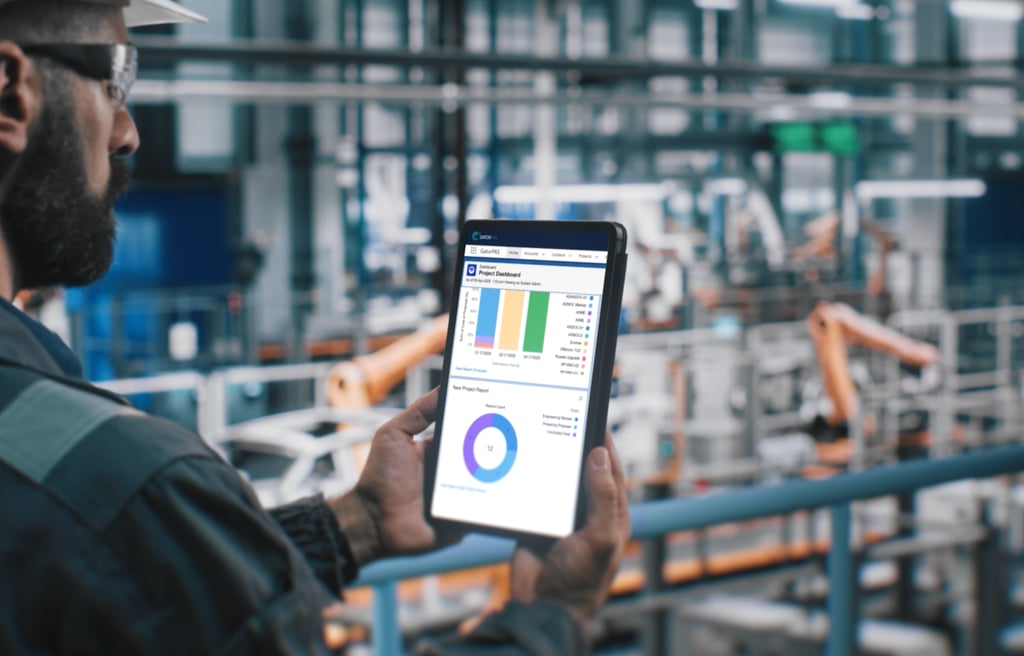
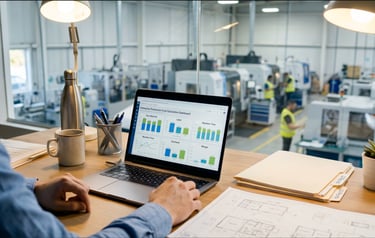
One of the biggest changes on factory floors is the use of real-time data from machines and sensors. Instead of relying on manual checks and delayed reports, manufacturers can now see what’s happening right now: machine status, production output, quality issues, and more from anywhere in the world.
This real-time visibility helps teams respond faster, reduce errors, and improve planning across production lines. It also replaces spreadsheets and paper charts with accurate digital information. (1)
1. Real-Time Data Improves Daily Operations
2. Predictive Maintenance Reduces Unplanned Downtime
Maintenance is one of the areas where Industry 4.0 delivers almost immediate value.
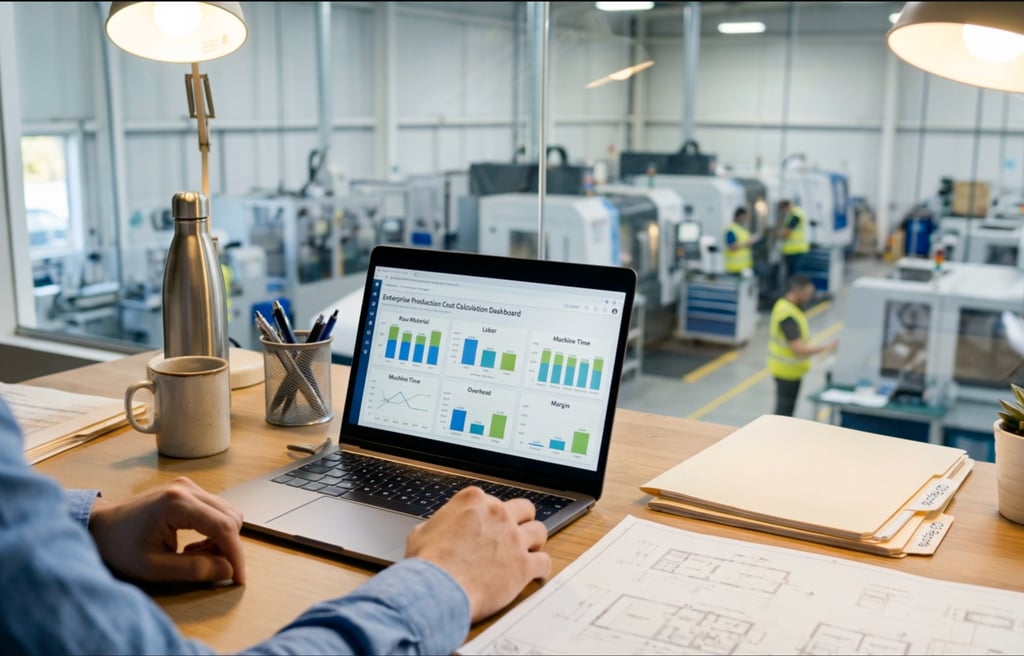
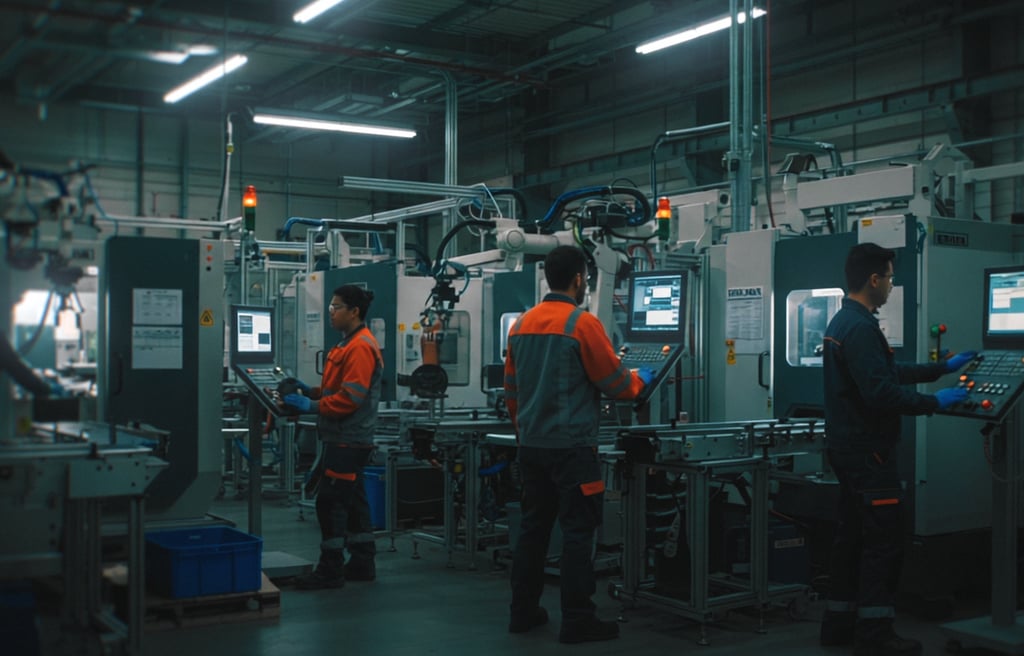
Rather than waiting for a machine to break or performing service on a fixed schedule, factories can use data from sensors to predict when equipment needs attention. This predictive approach helps avoid unexpected breakdowns and keeps production running smoothly.
Studies have shown that manufacturers using predictive maintenance often experience significant reductions in downtime and maintenance costs — in some cases cutting unplanned stops by 30–50%. (2)
3. Better Integration Makes Systems Work Together
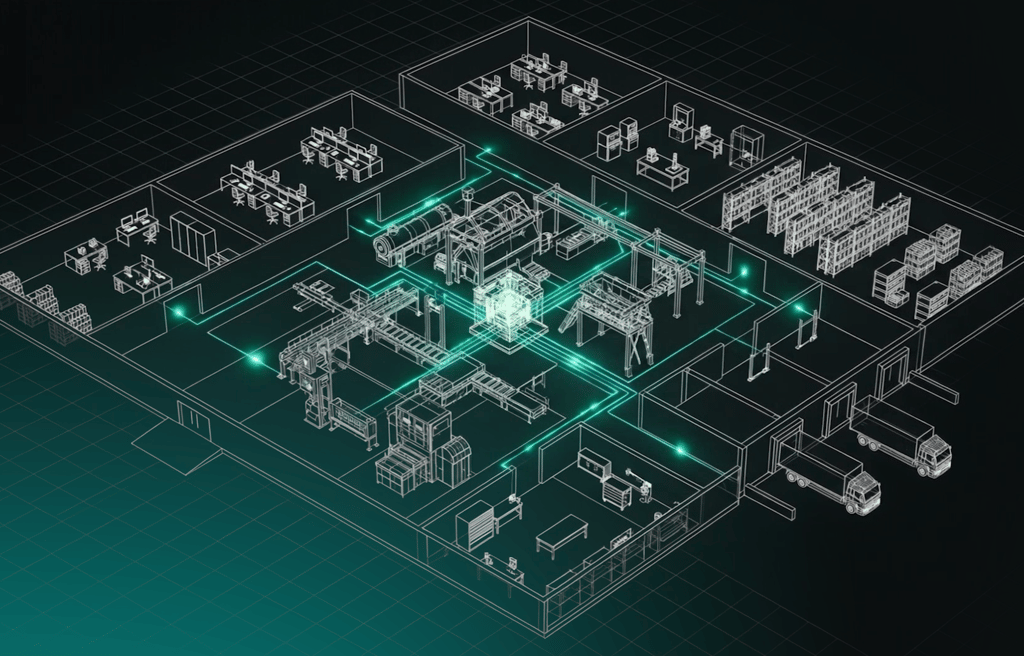
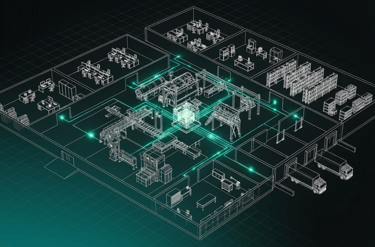
Many factories still struggle because systems don’t talk to each other: sensors, production controls, planning systems, and business software often operate in isolation.
In 2026, what’s proving effective is integration - linking machine data, ERP, shop-floor systems, and operational tools so that information flows freely across the organization. When these systems are connected, decisions are better informed, and teams can coordinate work more efficiently. (3)
4. Practical IoT Helps Track Production and Inventory
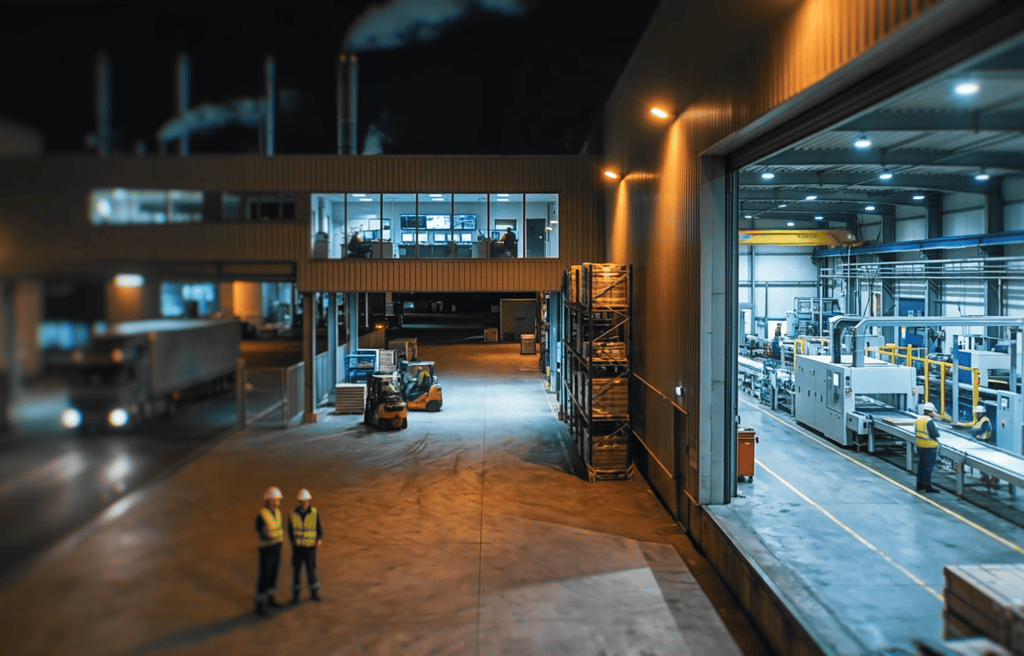
IoT (Internet of Things) is one of the foundational Industry 4.0 technologies. Connected sensors and devices capture production data, machine conditions, and environmental factors like temperature or humidity.
This information can help in several practical ways, such as:
Tracking materials and work in progress
Monitoring energy use on machines
Recording quality checks and equipment health
By automating these tasks with connected devices, factories reduce manual effort and improve operational accuracy. (1)


5. MES Connects Planning with Execution
Manufacturing Execution Systems (MES) are systems that help factories manage and monitor production in real time. A good MES creates a clear link between planning (what should happen) and execution (what is happening on the floor).
Factories using MES see improvements in throughput, visibility, product traceability, and downtime tracking. Although adoption varies widely, MES is increasingly recognized as a core part of smart manufacturing operations.
Modern MES platforms now support adaptive production modes, such as mixed-model lines and rapid changeovers, without bespoke customization, making factories more flexible and resilient to disruption.
From Industry 4.0 Concepts to Operational Reality
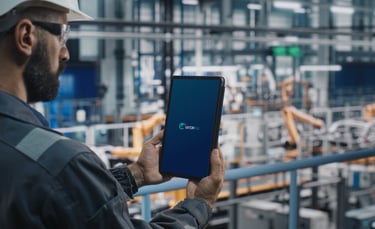
In 2026, Industry 4.0 is no longer about experimentation. What works on the factory floor are connected systems that support daily operations: real-time visibility, predictive maintenance, integrated planning and execution, and software adapted to how factories actually run.
The difference between stalled initiatives and real results often comes down to execution, designing systems that fit operational realities, integrating hardware and software properly, and ensuring solutions scale beyond pilot projects.
Industry 4.0 delivers value when it is built around the factory, not around technology alone.
Where GatorPAS Fits In
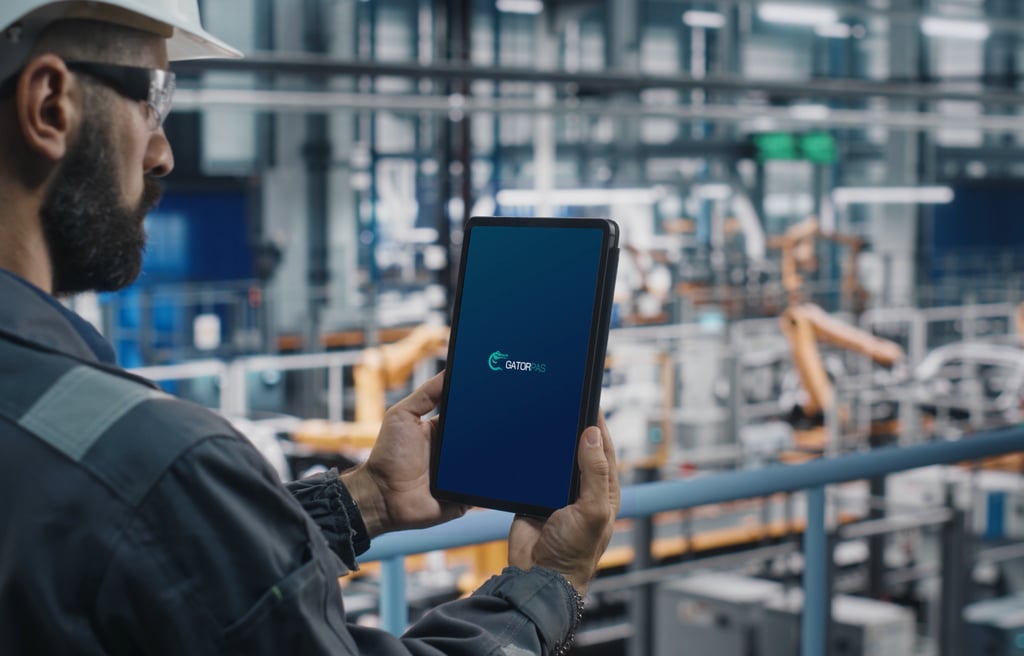
GatorPAS brings these Industry 4.0 principles into a single, operational system.
It combines enterprise software with connected industrial assets to give manufacturers full visibility and control over their operations - from commercial workflows to production and shop-floor execution.
At the software level, GatorPAS unifies into one centralized platform:
CRM and RFQ management
Product and BOM configuration
Proposal and Order management
Inventory and Procurement
Production Planning
Logistics
Operational Monitoring (such as Predictive Maintenance)
Built on Salesforce, it enables teams across departments to plan, execute, and monitor operations in real time, without relying on fragmented tools.
At the operational level, GatorPAS connects machines, sensors, and industrial infrastructure directly into the system. This allows real-time data from the shop floor to feed into business and production workflows, enabling accurate monitoring, faster decision-making, and better coordination between teams.
The result is a fully connected environment where systems and physical assets work together, not in silos.
GatorPAS is deployed end-to-end: from platform setup and system integration to IoT connectivity, dashboards, and workflow configuration, ensuring a smooth transition with minimal disruption to operations.
Instead of disconnected initiatives, manufacturers get a unified system designed to run daily operations, at scale, in real production environments.
References:
Digitalization in Manufacturing – Process Navigation
https://processnavigation.com/insights/digitalization-in-manufacturing/
Manufacturing Analytics: Unlocking Productivity and Profitability – McKinsey
https://www.mckinsey.com/capabilities/operations/our-insights/manufacturing-analytics-unleashes-productivity-and-profitability
Industry 4.0 Overview – IBM
https://www.ibm.com/think/topics/industry-4-0
Explore GatorPAS
Explore how GatorPAS can streamline your manufacturing operations.